
Navigating the vibrant Dubai real estate market in 2026 is an exciting prospect for international investors, and understanding how to buy property in Dubai as a foreigner is your first crucial step. With a projected surge in property transactions, driven by innovative government initiatives and a booming economy, Dubai continues to be a magnet for global capital. This comprehensive guide, drawing on my 14+ years of experience, will demystify the process, empowering you to make informed decisions and secure your piece of this dynamic city. We’ll cover everything from legal frameworks to investment strategies, ensuring your journey into Dubai property ownership is seamless and rewarding.
Understanding Dubai’s Property Market for Foreign Investors in 2026
The question of can foreigners buy property in Dubai is a resounding ‘yes’, and the opportunities in 2026 are more diverse than ever. Dubai has strategically opened its doors, allowing 100% foreign ownership in designated freehold areas. These areas, managed by master developers like Emaar and Nakheel, offer prime locations and attractive amenities. In 2026, we anticipate continued growth in luxury apartments in Downtown Dubai and waterfront villas in Palm Jumeirah, alongside burgeoning interest in off-plan developments in emerging hubs like Dubai South, offering early-bird advantages. Rental yields are expected to remain robust, averaging between 5-8% annually, making it an attractive proposition for both capital appreciation and passive income. The Dubai Land Department (DLD) and the Real Estate Regulatory Agency (RERA) provide a secure and transparent framework, ensuring all transactions are regulated and protected, which is paramount when considering how to buy property in Dubai as a foreigner.
The Legal Framework: Freehold vs. Leasehold Explained
When exploring how to buy property in Dubai as a foreigner, understanding the legal ownership structures is fundamental. Dubai primarily offers two types of property ownership for non-GCC nationals: freehold and leasehold.
Freehold Property
Freehold ownership grants you complete and absolute ownership of the property, including the land it stands on. This is the most common and sought-after form of ownership for international investors. You have the right to occupy, rent out, sell, or even bequeath the property as you see fit. Freehold properties are predominantly located in designated areas approved by the Dubai government, such as Downtown Dubai, Dubai Marina, Palm Jumeirah, and Emirates Hills. Purchasing a freehold property gives you full control and maximum return on your investment.
Leasehold Property
Leasehold ownership, while less common for direct foreign investment, involves acquiring the right to use a property for a fixed period, typically ranging from 10 to 99 years. The land remains under the ownership of the original landowner, often the government or a UAE national. This structure is more prevalent in commercial or specific residential developments and is less appealing for typical residential property investors seeking long-term asset ownership. For most international buyers looking at how to buy property in Dubai as a foreigner, freehold ownership is the preferred and most accessible option.
Step-by-Step Guide: Your Journey to Owning Dubai Property
Embarking on the process of how to buy property in Dubai as a foreigner involves several key stages. Following these steps diligently will ensure a smooth and secure transaction:
- Define Your Investment Goals: Are you looking for a holiday home, a rental investment, or a property to relocate to? Your objectives will guide your choice of location and property type.
- Secure Financing (if applicable): While many investors purchase outright, mortgages are available for foreigners. Research banks and their lending criteria. Typically, you can borrow up to 50% of the property value for off-plan properties and up to 75% for secondary market properties.
- Engage a Reputable Real Estate Agent: A knowledgeable agent is invaluable for navigating the market, identifying suitable properties, and negotiating terms.
- Property Search and Due Diligence: This involves identifying properties that meet your criteria, visiting them, and conducting thorough checks on the developer and property history.
- Reservation Agreement and Initial Deposit: Once you’ve found your ideal property, you’ll sign a Reservation Agreement (Form F) and pay an initial deposit, typically 5-10% of the property price.
- Sale and Purchase Agreement (SPA): This is the legally binding contract outlining all terms and conditions. It’s crucial to have this reviewed by a legal expert.
- Payment Plan and Handover: For off-plan properties, you’ll follow a developer-stipulated payment plan. For secondary market properties, the full payment is usually made upon handover, facilitated by the DLD.
- Property Registration at DLD: The final step involves registering the property in your name at the Dubai Land Department, receiving your Title Deed.
This structured approach ensures you are well-prepared and informed at every stage of acquiring property in Dubai.
Navigating Off-Plan vs. Secondary Market Purchases
When considering how to buy property in Dubai as a foreigner, you’ll encounter two primary avenues: off-plan and secondary market purchases. Each offers distinct advantages and caters to different investor profiles.
Off-Plan Properties
Off-plan properties are those purchased directly from a developer before construction is completed. These often come with attractive payment plans, allowing investors to spread costs over several years, sometimes even post-handover. Developers like Emaar, Nakheel, and Damac frequently launch new projects with appealing early-bird incentives. The potential for capital appreciation is significant as the project nears completion and the surrounding infrastructure develops. However, there’s also the risk of construction delays or changes in market conditions. For those looking for a new build with flexible payment terms, off-plan is an excellent option.
Secondary Market Properties
The secondary market refers to properties being resold by their original owners. These are typically completed units and offer immediate occupancy or rental potential. Prices are often negotiable, and you can benefit from established communities with existing amenities. Properties in prime locations like Dubai Marina or Jumeirah Beach Residence are often available in the secondary market. While payment plans are usually less flexible (often requiring full payment upon handover), the advantage is immediate ownership and rental income. Due diligence on the property’s condition and the seller’s title is paramount here.
Investment Hotspots and Property Types in 2026
Dubai’s real estate landscape in 2026 presents a wealth of opportunities for international investors. Beyond the established prime areas, emerging locales are gaining significant traction, offering diversified investment portfolios. Understanding these hotspots and the types of properties available is key to a successful investment strategy when you consider how to buy property in Dubai as a foreigner.
Prime Residential Areas
- Downtown Dubai: Home to the Burj Khalifa and Dubai Mall, this area offers luxury apartments with high rental yields and strong capital appreciation potential. Expect prices for a one-bedroom apartment to range from AED 1.2 million to AED 1.8 million.
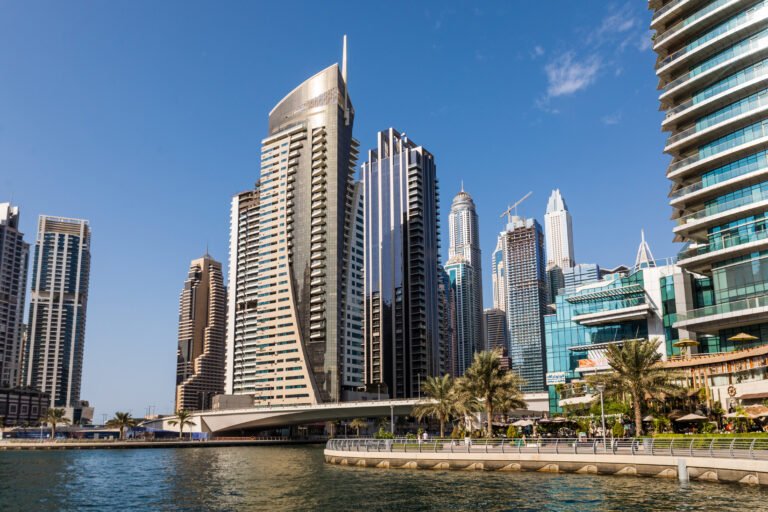
- Dubai Marina: A highly sought-after waterfront district with numerous residential towers offering stunning sea views. A two-bedroom apartment here could range from AED 1.5 million to AED 2.5 million.
- Palm Jumeirah: Iconic for its man-made island structure, it offers luxurious villas and apartments with premium amenities. Villa prices can start from AED 8 million upwards.
- Jumeirah Golf Estates: Ideal for golf enthusiasts, this master-planned community offers serene living with spacious villas and townhouses.
Emerging Investment Hubs
- Dubai South: Proximity to Al Maktoum International Airport and the Expo City site makes this a rapidly developing area with significant potential for both residential and commercial growth. Off-plan apartments can be found starting from AED 700,000.
- Meydan: Known for its equestrian facilities and upcoming integrated lifestyle developments, Meydan offers a mix of luxury villas and apartments.
- Ras Al Khor: This area is witnessing a surge in affordable housing and family-friendly communities, attracting a growing number of residents.
Property Types
- Apartments: The most common type of property, ranging from studios to penthouses, offering diverse price points and amenities.
- Villas: Ideal for families seeking more space and privacy, available in various sizes and architectural styles.
- Townhouses: A popular middle ground between apartments and villas, offering a good balance of space and community living.
- Commercial Properties: For those looking to invest in Dubai’s thriving business environment, office spaces and retail units are also available, though often with more complex ownership structures.
The diversity of options ensures that no matter your budget or preference, you can foreigners buy property in Dubai that aligns with your investment vision.
Comparing Investment Opportunities: Dubai vs. Ras Al Khaimah
While Dubai remains the undisputed leader for international real estate investment, its neighbour, Ras Al Khaimah (RAK), is emerging as a compelling alternative, especially for those seeking different market dynamics. Understanding the nuances between these two Emirates is crucial for a well-rounded investment strategy.
| Feature | Dubai (2026 Projections) | Ras Al Khaimah (2026 Projections) |
|---|---|---|
| Average Property Price (2-Bed Apartment) | AED 1.5 million – 2.5 million | AED 700,000 – 1.2 million |
| Projected Rental Yield | 5% – 8% | 6% – 9% |
| Market Maturity | Highly Mature & Diverse | Developing & Growing |
| Lifestyle Appeal | Global Hub, Luxury, Entertainment | Nature, Adventure, Family-Friendly |
| Foreign Ownership Regulations | 100% Freehold in Designated Areas | 100% Freehold in Designated Areas |
| Key Developers | Emaar, Nakheel, Damac | Aldar, RAK Properties |
| Visa Opportunities | Golden Visa (Property Value AED 2M+) | Retirement Visa, General Residency |
While Dubai offers unparalleled global connectivity and a vast array of luxury options, RAK presents a more accessible entry point with potentially higher rental yields and a focus on natural beauty and adventure tourism. For many, the decision hinges on their specific investment goals and lifestyle preferences.
Why Work With a Trusted Dubai Property Advisor?
Navigating the intricacies of how to buy property in Dubai as a foreigner can be complex, especially for those unfamiliar with the local market and legalities. A seasoned property advisor acts as your indispensable guide, offering expertise and support throughout the entire process. They possess in-depth knowledge of market trends, developer reputations, and legal requirements, saving you time, money, and potential pitfalls. From identifying off-plan gems with the best payment plans to negotiating favourable terms on secondary market properties, their insights are invaluable. Furthermore, they can connect you with trusted legal professionals, mortgage brokers, and property management services, ensuring a holistic and stress-free experience. Their objective advice ensures you make decisions aligned with your financial goals and risk appetite.
Ready to invest? Neikhiil Uchat has helped hundreds of international clients secure profitable Dubai properties. Book a Free Consultation — it’s free and takes 15 minutes.
💡 Expert Insight from Neikhiil Uchat
- Focus on ROI, not just price: Always analyse potential rental yields and capital appreciation prospects. In 2026, areas with strong infrastructure development and upcoming attractions like Dubai South are showing excellent growth potential.
- Understand the Developer’s Track Record: For off-plan purchases, research the developer’s history of timely project completion and quality delivery. Reputable developers like Emaar and Nakheel have a proven track record.
- Factor in all Costs: Beyond the property price, budget for DLD fees (4% of property value), agent commission (typically 2%), mortgage fees (if applicable), and annual service charges.
- Consider Property Management: If you’re investing remotely, engaging a reliable property management company to handle rentals and maintenance is crucial for passive income generation.
- Stay Informed on Visa Regulations: The UAE Golden Visa, attainable through property investment of AED 2 million and above, offers significant benefits for investors and their families. Keep abreast of any changes to these policies.
Frequently Asked Questions
Can foreigners own property in Dubai?
Yes, foreigners can buy property in Dubai. They can acquire 100% ownership in designated freehold areas, which include most of the popular residential and commercial districts. Non-GCC nationals can also own leasehold properties for a fixed term.
What are the main costs involved when buying property in Dubai?
Besides the property purchase price, you should budget for the Dubai Land Department (DLD) transfer fee (4% of the property value), agent commission (typically 2% for the buyer and seller), registration fees, and potentially mortgage registration fees if you are financing your purchase. Annual service charges for property maintenance also apply.
Do I need a visa to buy property in Dubai?
While you do not need a visa to buy property, owning property can facilitate obtaining residency or investor visas. Investing AED 2 million or more in property can qualify you for the UAE’s Golden Visa, offering long-term residency. This is a significant incentive for many international investors exploring how to buy property in Dubai as a foreigner.
What is the difference between off-plan and secondary market properties?
Off-plan properties are purchased directly from a developer before construction is completed, often with attractive payment plans. Secondary market properties are resold by their original owners and are typically completed, offering immediate possession or rental income. Both have their advantages depending on your investment timeline and risk tolerance.
How can I finance a property purchase in Dubai as a foreigner?
Foreigners can obtain mortgages from UAE-based banks. Typically, banks offer loan-to-value ratios of up to 75% for completed properties and 50% for off-plan properties. You will need to provide proof of income, credit history, and a down payment.
What is the process for transferring property ownership?
The transfer of ownership is handled by the Dubai Land Department (DLD). For secondary market transactions, both buyer and seller, along with their agents, attend the DLD to sign the transfer documents and pay the necessary fees. For off-plan properties, the developer manages the initial registration and subsequent title deed issuance.
Investing in Dubai real estate in 2026 offers a unique blend of luxury, lifestyle, and robust financial returns for international buyers. By understanding the legal frameworks, exploring diverse property types, and leveraging expert guidance, you can confidently navigate how to buy property in Dubai as a foreigner. Whether you’re drawn to the established allure of Downtown Dubai or the burgeoning potential of emerging areas, Dubai’s property market continues to be a prime destination for global investors. Remember, thorough research and strategic planning are your greatest assets in securing a profitable venture in this dynamic city. Don’t let complexity deter you; the opportunities are substantial.
Ready to make your move? Contact Neikhiil Uchat today for expert, personalised Dubai property advice. Book a Free Consultation